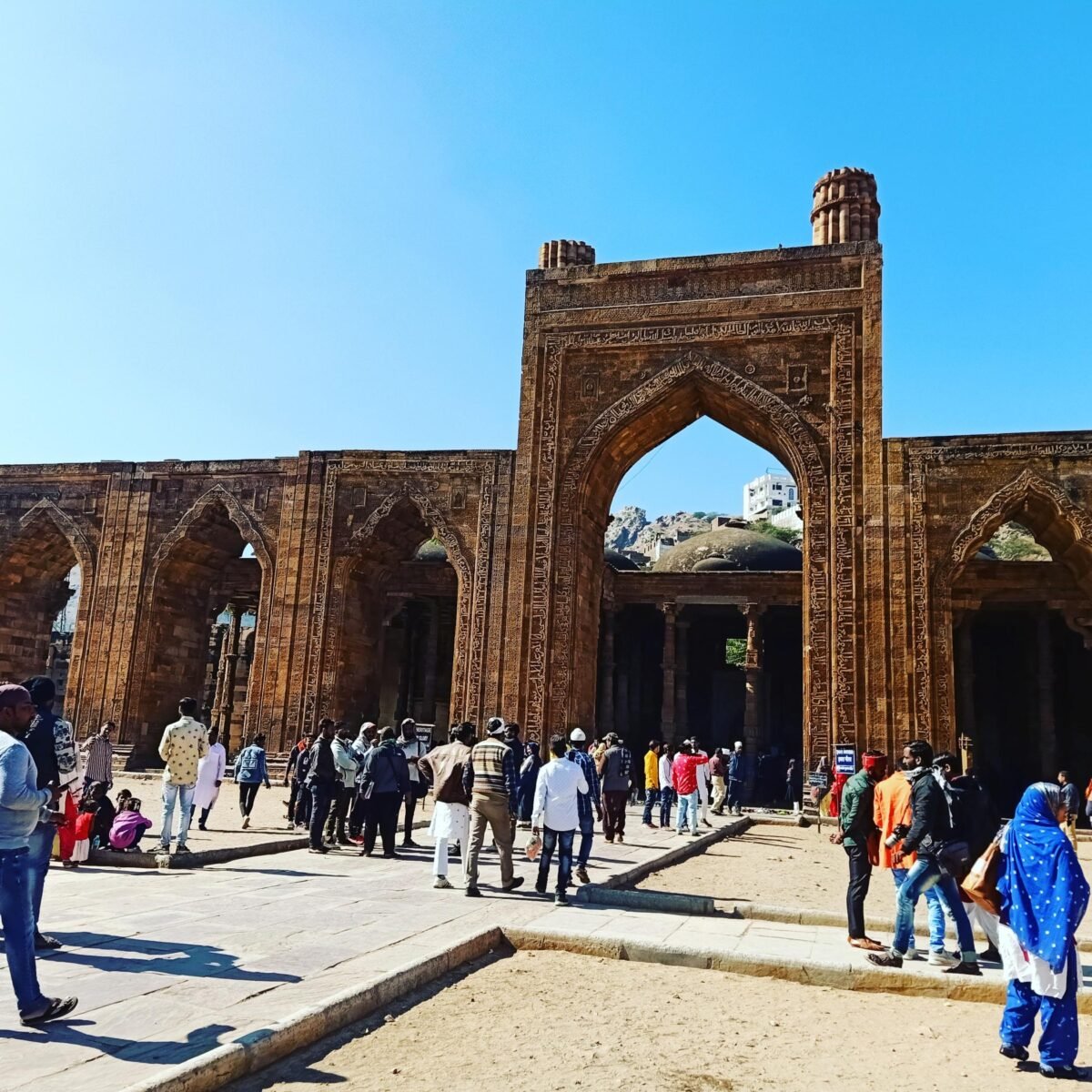
Kaushambi is one of the key districts of Uttar Pradesh and is situated along the banks of the Yamuna River. The district was formed on April 4, 1997, by carving it out of the Allahabad district. It is located around 55 kilometers from Prayagraj. There are several places to visit in Kaushambi where you can spend time with family and friends and explore historical monuments.
Kaushambi, a historically significant district in Uttar Pradesh, is one of India’s oldest cities with roots dating back to ancient times. Once the capital of the Vatsa Mahajanapada, Kaushambi finds mention in Buddhist, Jain, and Hindu texts. The district is renowned for its archaeological sites, ancient monasteries, temples, and cultural heritage that attract history enthusiasts, pilgrims, and travelers alike.
Located near Prayagraj, Kaushambi offers visitors a unique opportunity to explore India’s rich past while enjoying a peaceful atmosphere away from crowded tourist destinations. From ancient ruins and Buddhist sites to sacred temples and scenic riverbanks, Kaushambi has much to offer.
In this guide, we explore the best places to visit in Kaushambi and the experiences that make this historic district worth visiting.
Best Places to Visit in Kaushambi Uttar Pradesh
Ancient Kaushambi Archaeological Site
The Ancient Kaushambi Archaeological Site is the most important tourist attraction in the district. Once a flourishing city during the Vedic and Buddhist periods, Kaushambi served as the capital of the Vatsa Kingdom. This old site is located about one or two kilometers away from the main Kaushambi bus stand, since no rickshaws or auto-rickshaws operate there, you can reach it either on foot or by vehicle. When I visited, there were no auto-rickshaws running.
The route there is very scenic, passing through beautiful forests, fields, and villages. You can reach the place by walking along the road and enjoying the beauty of the villages.
Excavations conducted by archaeologists have uncovered ancient fortifications, monasteries, palaces, coins, sculptures, and pottery that date back more than 2,000 years. Visitors can walk through the ruins and imagine the grandeur of one of India’s earliest urban settlements.
The site is particularly significant for students of history and archaeology who wish to understand ancient Indian civilization.
Ashokan Pillar
The Ashokan Pillar of Kaushambi is one of the district’s most important historical monuments. Emperor Ashoka erected this pillar during the 3rd century BCE as part of his efforts to spread Buddhism across his empire.
Ashokan Pillar site is located around 2 kilometers from the main city and is easily accessible by road. It has been well-preserved and is not overcrowded, allowing you to explore the entire area at a leisurely pace. The location is peaceful and away from the hustle and bustle. The Archaeological Survey of India has maintained the site excellently, and it remains open to tourists from sunrise to sunset.
Though only portions of the pillar remain today, it serves as an important reminder of Kaushambi’s connection with Buddhist history. The site attracts historians, researchers, and tourists interested in India’s ancient past.
The pillar represents the influence of the Mauryan Empire and Ashoka’s role in promoting peace and dharma.
Ghositarama Monastery
Ghositarama Monastery is one of the most famous Buddhist sites in Kaushambi. According to Buddhist texts, this monastery was built by a wealthy merchant named Ghosita for Lord Buddha and his followers.
Ghositarama Monastery is located 1 km from the Ashoka Pillar site and 3 km from the main city. It is easily accessible by road, and parking space is available outside the site. It remains open from sunrise to sunset. The site is known as ‘Ghoshitaram’, it is named after ‘Ghoshit’, a prominent figure or trader of Kaushambi who invited Lord Buddha to visit the city.
You can visit and explore this place. There are many well-preserved historical monument here, and since it doesn’t get too crowded, you can easily walk around and look at everything at your own pace.
Raja Udyan fort
Raja Udyan Fort is a beautiful site located on the banks of the Yamuna River in the city of Kaushambi. It is easily accessible by road. It is one of the historical landmarks of Kaushambi and is an ancient fort dating back to the Mahajanapada era. The fort played an important role during medieval Indian history.
Though much of the original structure has deteriorated over time, the remaining portions still reflect the architectural style of the era. History lovers enjoy exploring the fort while learning about the region’s medieval past.
Sandeepan Ghat
‘Sandeepan Ghat’ is a truly beautiful and magnificent place to visit in the Kaushambi district. Located about 20 kilometers from the Manjhanpur headquarters, it is easily accessible by road. Situated in Rala village, the ghat is vast and picturesque. Its location along the banks of the Ganges River makes it a visually captivating sight.
Named after the sage ‘Sandipan Rishi’, it is known as ‘Sandeepan Rishi Ghat’. In ancient times, a Gurukul (traditional school) existed here, where Lord Krishna received his education alongside his friend Sudama and elder brother Balaram. The ghat is stunning and offers immense Peace.
Cambodian Monastery
The Cambodian Monastery is a beautiful place to visit in Kaushambi. It is located on the main road, just before the Jain temple, and is easily accessible. Built in the Cambodian architectural style, the monastery presents a striking appearance. It attracts many tourists, and it is worth setting aside some time to explore it thoroughly.
It is open from 9:30 AM to 11:30 AM and from 2:00 PM to 5:00 PM. The monastery features unique architecture, and the blend of yellow and white colors holds great appeal for visitors. The atmosphere here is pleasant, and the site houses artworks that depict the life of the Buddha.
Prabhasgiri
Prabhasgiri is a sacred hill located in Kaushambi. Situated near the Yamuna River in Pabosa village, it is easily accessible by road. It is a beautiful location that offers a delightful experience for visitors arriving by road.
This site holds great significance for pilgrims and tourists interested in Jain traditions and mythology. It is believed to be the birthplace of the sixth Jain Tirthankara, Padmaprabhu. There are two hills here that are considered highly sacred and possess historical importance. Ancient sages are said to have performed spiritual practices upon them.
The view from the top is magnificent, especially during the monsoon season. Steps have been constructed to reach the summit. With the Yamuna River flowing peacefully in the background, the clear blue sky and clouds create a perfect setting for photography and moments of tranquility.
At the foot of the hill, you can find a Jain temple as well as a Jain Dharmashala (pilgrim rest house). It is a wonderful place to visit and spend some time in peace.
Kara Fort
Kara Fort is one of the historical sites worth visiting in the Kaushambi district. Situated in Kada village along the banks of the Ganges River, it is easily accessible by road. The fort is ancient, believed to date back to the 11th century. Although it is currently in a dilapidated state and largely in ruins, the surrounding scenery is beautiful.
Kada Dham
Kada Dham is one of the famous places in Uttar Pradesh. It is a highly sacred and significant Hindu pilgrimage site, known as a Shaktipeeth. It is a beautiful location, and a large number of people visit to pay their respects at the Shaktipeeth.
Kada Dham is situated in the village of Kada, on the banks of the River Ganges. It is easily accessible by road, and all necessary amenities for tourists and pilgrims are available here. You can visit the temple of Goddess Sheetala. It is a beautiful temple that attracts a large number of devotees.
The site draws a vast number of devotees and sees heavy crowds during Navratri. It is believed that a part of Goddess Sati’s body fell here, rendering the place extremely sacred. You, too, can visit the temple. The atmosphere is wonderful, and the view of the River Ganges is magnificent.
Kamasin Devi Temple
Kamasin Devi Temple is another popular religious site in Kaushambi. Dedicated to Goddess Durga, the temple attracts a large number of devotees throughout the year.
The temple is especially vibrant during Navratri celebrations when thousands of pilgrims visit to participate in special rituals and religious events. The peaceful surroundings and spiritual atmosphere make it an ideal place for worship and meditation.
Yamuna River Banks
The Yamuna River flows through parts of Kaushambi district and creates beautiful natural landscapes. Visitors often spend time near the riverbanks enjoying peaceful views, photography, and relaxation. During sunrise and sunset, the scenery becomes particularly attractive. The river also plays an important role in the district’s agricultural and cultural life.
Durga Devi Temple
Durga Devi Temple is a revered religious destination in the district. The temple attracts devotees seeking blessings for prosperity, protection, and success.
Its traditional architecture and spiritual ambiance provide visitors with a memorable religious experience. During major Hindu festivals, the temple becomes a center of cultural and devotional activities.
Sheetla Dham Kadha
Sheetla Dham Kadha is one of the most famous religious attractions in Kaushambi. Dedicated to Goddess Sheetla Devi, the temple attracts thousands of devotees from Uttar Pradesh and neighboring states.
The temple is particularly crowded during Navratri and other religious festivals when special prayers and fairs are organized. Many visitors believe that prayers offered here bring health, prosperity, and protection from diseases.
Things to Do in Kaushambi
- Explore Ancient History : Kaushambi is one of the best destinations in Uttar Pradesh for understanding ancient Indian civilization. Archaeological sites, monasteries, and historical monuments provide valuable insights into the region’s glorious past.
- Discover Buddhist Heritage : Buddhist pilgrims and history enthusiasts can explore sites connected to Lord Buddha and the spread of Buddhism in ancient India.
- Visit Religious Sites : The district is home to several important Hindu and Jain pilgrimage destinations that attract devotees throughout the year.
- Enjoy Rural Tourism : Visitors can experience authentic village life and learn about local traditions, agriculture, and culture.
- Photography and Sightseeing : Ancient ruins, temples, riverbanks, and rural landscapes provide excellent opportunities for photography.
Best Time to Visit Kaushambi
Winter is the best time to visit Kaushambi. Pleasant temperatures make sightseeing comfortable, and outdoor exploration becomes enjoyable. The district becomes greener during the monsoon season. The countryside looks beautiful, although occasional rainfall may affect travel plans. Summers can be extremely hot, with temperatures often exceeding 40°C. Outdoor sightseeing is less comfortable during this period.
How to Reach Kaushambi
- By Air : The nearest airport is Prayagraj Airport, located about 50 kilometers from Kaushambi. The airport connects the region to major Indian cities.
- By Train : Several railway stations in and around Kaushambi provide connectivity to nearby cities. Prayagraj Junction serves as the nearest major railway hub.
- By Road : Kaushambi is well connected by roads to Prayagraj, Lucknow, Varanasi, and Kanpur. Regular buses and taxis are available for convenient travel.
Local Food in Kaushambi
Visitors can enjoy traditional North Indian and Uttar Pradesh cuisine during their trip.
Popular dishes include:
- Kachori Sabzi
- Poori Aloo
- Samosa
- Jalebi
- Lassi
- Chaat
- Traditional village-style meals
Local eateries and roadside stalls offer authentic flavors that reflect the culinary traditions of the region.
Conclusion
Kaushambi is a hidden gem of Uttar Pradesh that combines history, spirituality, archaeology, and cultural heritage. As one of India’s oldest cities and an important center of Buddhist, Jain, and Hindu traditions, the district offers a unique travel experience. From the ancient ruins of Kaushambi and the sacred Ghositarama Monastery to the revered Sheetla Dham Kadha and peaceful Yamuna riverbanks, every attraction tells a fascinating story.
Whether you are a history enthusiast, a pilgrim, a cultural explorer, or simply someone looking for an offbeat destination, Kaushambi promises a memorable journey through India’s ancient past and enduring traditions.
Kaushambi Travel FAQs
1. How to plan a trip to Kaushambi?
Plan a 1–2 day trip to Kaushambi by exploring its ancient Buddhist and archaeological sites, temples, historical ruins, and nearby destinations such as Prayagraj, Shringverpur, and Chitrakoot. The best time to visit is October to March.
2. What is a perfect 1 or 2-day Kaushambi itinerary?
Day 1: Visit the Ancient Kaushambi Archaeological Site, Ashokan Pillar ruins, Ghositaram Monastery, and local temples.
Day 2: Take a trip to Prayagraj, Shringverpur, or Chitrakoot and enjoy the historical and spiritual attractions.
3. What is Kaushambi famous for?
Kaushambi is famous for its ancient Buddhist heritage, archaeological ruins, the Ashokan Pillar, Ghositaram Monastery, and as the historic capital of the Vatsa Mahajanapada.
4. What is the history of Kaushambi?
Kaushambi is one of the oldest cities in India and was the capital of the Vatsa Kingdom during the Mahajanapada period. It is closely associated with Lord Buddha, who visited the city several times, and with Emperor Ashoka, who erected a pillar here. Today, Kaushambi is an important archaeological and Buddhist pilgrimage destination.
5. How far is Kaushambi from Lucknow?
Kaushambi is approximately 190 km from Lucknow by road and takes about 4–5 hours to reach.
6. What are the best things to do in Kaushambi?
- Explore ancient archaeological ruins
- Visit Buddhist heritage sites
- See the Ashokan Pillar remains
- Visit local temples
- Explore nearby Prayagraj
- Enjoy rural tourism and local markets
7. Which is the nearest railway station in Kaushambi?
Bharwari Railway Station is the main railway station in the district. Prayagraj Junction is the nearest major railway station with excellent connectivity.
8. Which is the nearest airport to Kaushambi?
The nearest airport is Prayagraj Airport (Bamrauli Airport), located about 45 km from Kaushambi.
9. Which rivers flow through Kaushambi?
Major rivers flowing through Kaushambi include:
- Yamuna River
- Ganga River (near the district region)
10. Where is Kaushambi located in Uttar Pradesh?
Kaushambi is located in the south-central part of Uttar Pradesh, bordering Prayagraj district.
11. Which is the nearest city to Kaushambi?
Nearby cities include:
- Prayagraj
- Fatehpur
- Chitrakoot
- Manjhanpur
- Sirathu
12. Which are the famous temples in Kaushambi?
Popular temples include:
- Sheetla Mata Temple
- Shiv Temple
- Hanuman Temple
- Durga Temple
- Ancient temples near archaeological sites
13. What are the best places to visit near Kaushambi?
- Prayagraj
- Shringverpur
- Chitrakoot
- Triveni Sangam
- Anand Bhavan
- Khusro Bagh
14. What are the best places to visit within 50 km of Kaushambi?
- Ancient Kaushambi ruins
- Ghositaram Monastery
- Ashokan Pillar site
- Bharwari
- Local temples
15. What are the best places to visit within 100 km of Kaushambi?
- Prayagraj
- Triveni Sangam
- Anand Bhavan
- Khusro Bagh
- Shringverpur
- Fatehpur
16. Which hill stations are near Kaushambi?
There are no nearby hill stations. The nearest popular hill destinations include:
- Chitrakoot Hills
- Pachmarhi (farther away)
- Nainital (much farther)
17. What is the famous food of Kaushambi?
Popular local foods include:
- Kachori Sabzi
- Puri Sabzi
- Chaat
- Jalebi
- Lassi
- Awadhi and Prayagraj-style cuisine
18. What product is Kaushambi famous for?
Kaushambi is known for:
- Wheat
- Paddy (Rice)
- Pulses
- Mustard
- Guava cultivation
- Agricultural products
19. Which is the famous sweet of Kaushambi?
Popular sweets include:
- Peda
- Jalebi
- Rabri
- Gulab Jamun
- Imarti
- Khoya sweets
20. What are the historical places in Kaushambi?
Major historical attractions include:
- Ancient Kaushambi Archaeological Site
- Ashokan Pillar remains
- Ghositaram Monastery
- Fort ruins
- Buddhist excavation sites
21. What are the best places to visit in Kaushambi with friends and family?
- Ancient Kaushambi
- Ghositaram Monastery
- Prayagraj
- Triveni Sangam
- Parks
- Local temples
22. Which city is near Kaushambi?
Nearby cities include Prayagraj, Fatehpur, Chitrakoot, Sirathu, and Manjhanpur.
23. What are the best places to visit in Kaushambi at night?
Visitors can enjoy:
- Local markets
- Family restaurants
- Temple complexes
- Evening walks in town parks
- Cultural programs during festivals
24. In which state is Kaushambi located?
Kaushambi is located in the state of Uttar Pradesh, India.
25. What is the distance of Kaushambi from other major districts?
- Prayagraj – 45 km
- Fatehpur – 60 km
- Chitrakoot – 110 km
- Rae Bareli – 110 km
- Pratapgarh – 85 km
- Lucknow – 190 km
- Varanasi – 150 km
- Kanpur – 170 km
- Ayodhya – 180 km
- Delhi – 650 km
26. What are the best places to visit in and around Kaushambi, Uttar Pradesh?
Top attractions include:
- Ancient Kaushambi Archaeological Site
- Ghositaram Monastery
- Ashokan Pillar Site
- Prayagraj
- Triveni Sangam
- Anand Bhavan
- Shringverpur
27. What are some good places to visit in Kaushambi?
- Ancient Kaushambi Ruins
- Buddhist archaeological sites
- Local temples
- Parks
- Historical monuments
- Rural tourism spots
28. What are the best places to visit in Kaushambi for couples?
Couples can visit:
- Ancient archaeological sites
- Peaceful gardens
- Prayagraj riverfront
- Triveni Sangam
- Local parks
- Scenic countryside
29. What is Kaushambi known for?
Kaushambi is known for its ancient Buddhist heritage, archaeological excavations, Ashokan Pillar, Vatsa Kingdom, and historical importance in Indian history.
30. What are the best weekend places near Kaushambi?
Popular weekend destinations include:
- Prayagraj
- Triveni Sangam
- Chitrakoot
- Shringverpur
- Fatehpur
- Ayodhya
- Varanasi