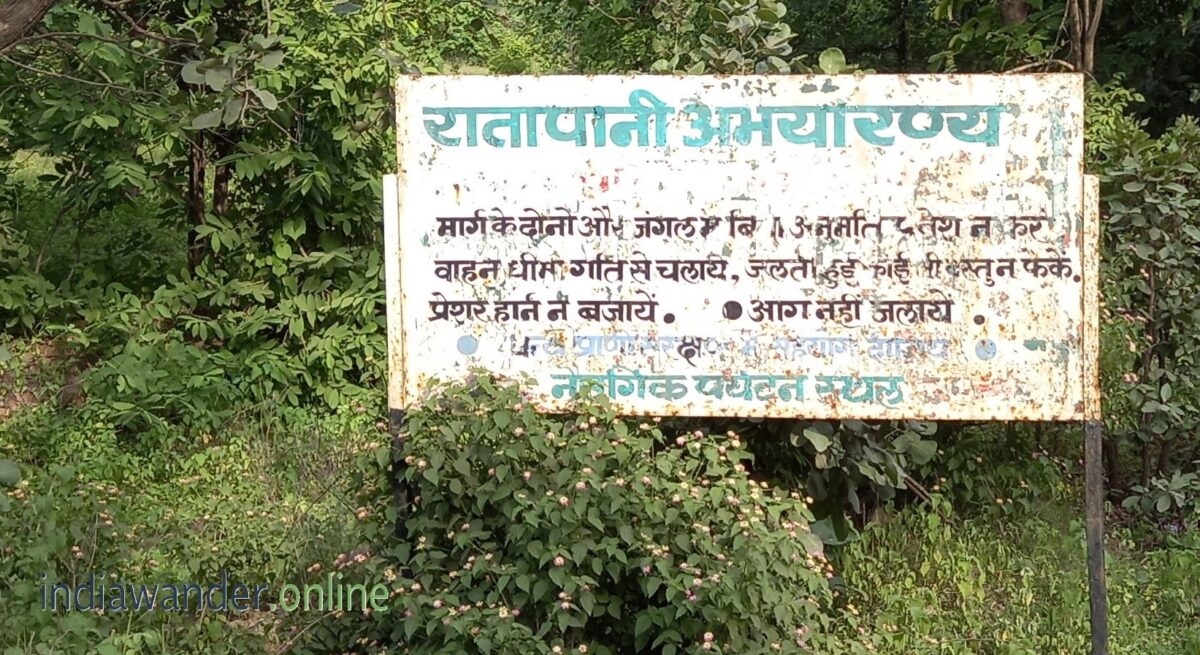
Ratapani Wildlife Sanctuary is one of the most important and beautiful wildlife destinations in Madhya Pradesh. Located close to Bhopal, this sanctuary is known for its rich biodiversity, dense forests, rivers, and wildlife, including tigers.
It is a perfect place for nature lovers, wildlife photographers, and eco-tourism enthusiasts. You can easily come here and spend a wonderful time amidst the natural scenery and wildlife.
Spread over a large forest area, Ratapani Wildlife Sanctuary forms an important wildlife corridor connecting other major forest regions of central India. Its untouched natural beauty and peaceful environment make it a hidden gem for travelers who want to experience wildlife away from crowded national parks.
In this article, we provide you with information on how to reach Ratapani Wildlife Sanctuary, its location, its history, and how to plan a trip to the sanctuary.
Location and Overview of Ratapani Wildlife Sanctuary
Ratapani Wildlife Sanctuary is situated in Raisen and Sehore districts of Madhya Pradesh, around 45–50 km from Bhopal. The sanctuary lies along the banks of the Kolar River and also includes parts of the Barna Reservoir, which enhances its natural ecosystem.
This sanctuary is well-connected by road. You can easily reach it either by your own vehicle or by public transport. An entrance fee is applicable for admission to this sanctuary.
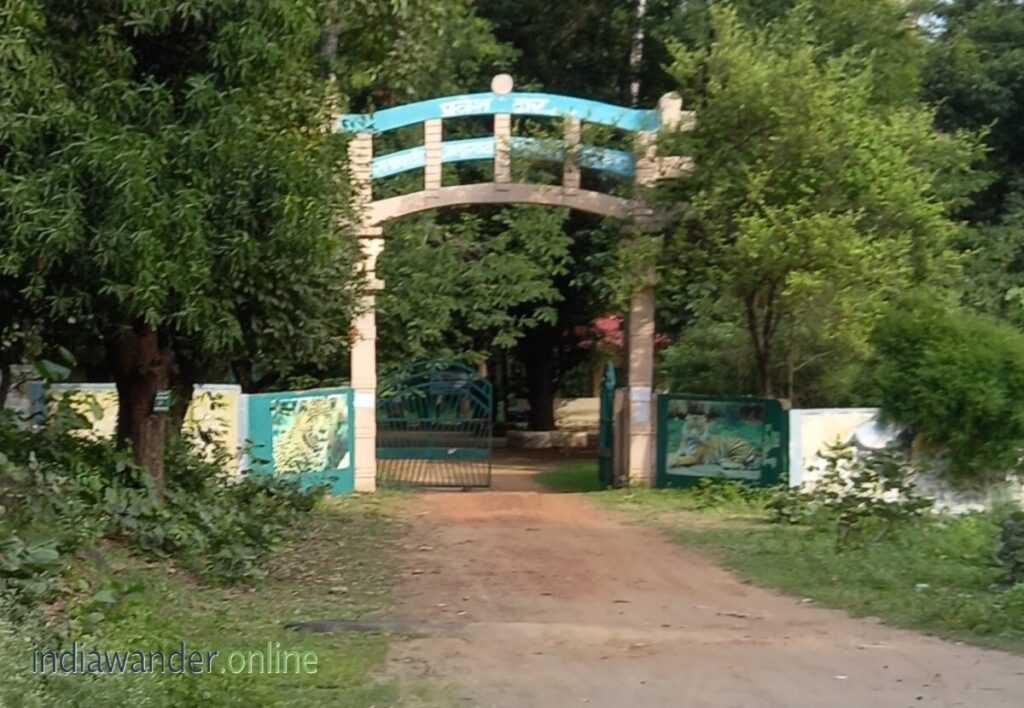
Spanning a vast area, the sanctuary features multiple entry gates. One of these the ‘Jhiri Gate‘ is situated on Kolar Dam Road, while the other gate is located on the Hoshangabad-Bhopal Highway.
The sanctuary covers an area of approximately 823 square kilometers, making it one of the largest wildlife sanctuaries in the state. Due to its strategic location, Ratapani plays a vital role in wildlife conservation and movement between forest areas.
Ratapani Sanctuary Google map loaction
How to Reach Ratapani Wildlife Sanctuary?
Ratapani Sanctuary is one of the most famous and popular wildlife sanctuaries in the state of Madhya Pradesh. It spans a vast area situated near the city of Bhopal, and is easily accessible via either private vehicle or public transportation.
The sanctuary is well-connected by road, and features several entry points for visitors. The first entry point is the ‘Jhiri Gate,’ located on the Bhopal–Kolar Dam road. You can easily reach this gate by road, as it is situated directly on the main thoroughfare.
An entry fee is required to enter the sanctuary through this gate. Once the fee has been paid, you are free to drive your vehicle throughout the sanctuary to enjoy the local wildlife and natural beauty.
The second entry point is situated on the Bhopal–Hoshangabad Highway, about 50 kilometers from the city of Bhopal. This location is also easily accessible by road. The roads in this area are in excellent condition and are well-interconnected.
You may also choose to travel here using public transportation. An entry fee is also applicable for admission into the sanctuary through this gate. Upon entering the sanctuary, you can explore the entire area and observe the local wildlife up close.
The Natural Beauty of Ratapani Wildlife Sanctuary
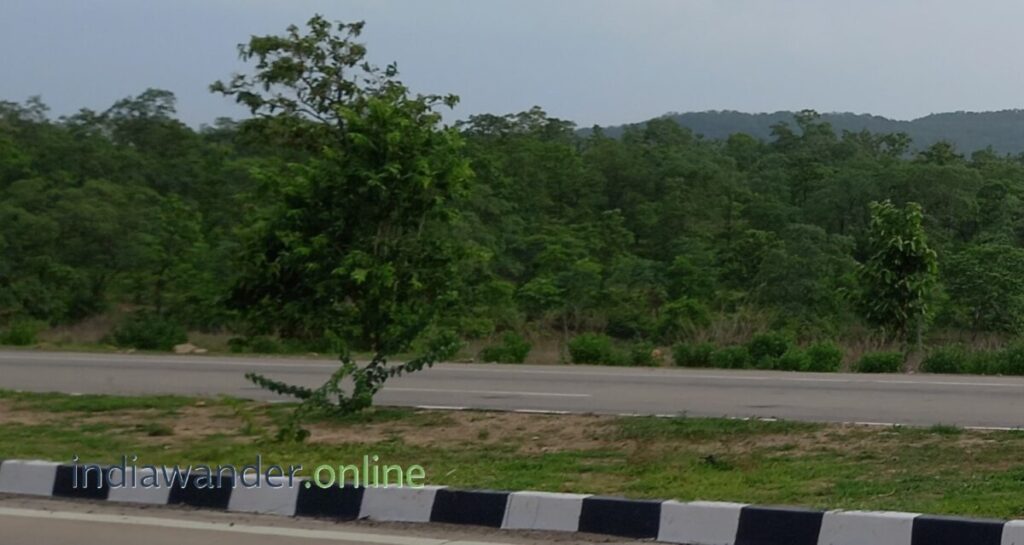
The Ratapani Wildlife Sanctuary is magnificent throughout its entire expanse. Surrounded with by dense forests, lush trees, and hills, the sanctuary offers a unique and diverse landscape within its boundaries.
You can spend your entire time here in admiring the beautiful scenery and observing the wildlife. The area features picturesque grasslands, rivers, lakes, waterfalls, natural streams, and river sources.
The dense forests found here are truly awe-inspiring. You are sure to have a thoroughly enjoyable experience during your visit.
This sanctuary spans across the districts of Raisen, Sehore, and Bhopal. It ranks as one of the largest wildlife sanctuaries in the state of Madhya Pradesh.
Several entry points are available for visitors to access the sanctuary and explore the scenic vistas of its various sections. Safari facilities are also available, allowing visitors to venture deep into the sanctuary and tour the entire forest region.
Inside the sanctuary, you can spot a variety of wildlife including animals such as tigers, leopards, wild dogs, and foxes as well as several herbivorous species. Furthermore, the sanctuary is home to a diverse array of bird species.
Flora and Fauna of Ratapani Wildlife Sanctuary
Rich Wildlife
Ratapani Wildlife Sanctuary is home to a wide variety of wild animals. The most notable species found here include:
- Bengal Tiger
- Leopard
- Sloth Bear
- Wild Dog (Dhole)
- Hyena
- Chital (Spotted Deer)
- Sambar Deer
- Nilgai
- Wild Boar
The sanctuary is also rich in birdlife, making it a popular destination for birdwatchers. Many resident and migratory birds can be spotted near water bodies and forest clearings.
Vegetation and Forest Types
The sanctuary is dominated by dry deciduous forests, mainly consisting of:
- Teak
- Sal
- Bamboo
- Tendu
- Mahua
These forests provide ideal shelter and food for wildlife and support a balanced ecosystem.
Tribal Villages Inside the Sanctuary
One of the unique features of Ratapani Wildlife Sanctuary is the presence of tribal villages within its boundaries. These villages are mostly inhabited by indigenous tribal communities who live in harmony with nature.
Visitors can observe traditional lifestyles, farming methods, and cultural practices. However, tourists should respect local customs and avoid disturbing village life.
Best Time to Visit Ratapani Wildlife Sanctuary
The best time to visit Ratapani Wildlife Sanctuary is from October to March, when the weather is pleasant and wildlife sightings are more frequent.
The months from October to March is the best time to visit this sanctuary. It is ideal for wildlife viewing and birdwatching. The weather remains warm during April to June, but the chances of spotting animals near water sources increase during this time.
During the monsoon season, the sanctuary is either closed or entry is restricted. Before planning your trip, always ensure that you verify the official information.
Safari and Activities at Ratapani Wildlife Sanctuary
Currently, tourism in Ratapani Wildlife Sanctuary is limited and regulated to protect wildlife. However, nature lovers can enjoy:
- Forest safaris (subject to permission)
- Birdwatching
- Nature walks
- Wildlife photography
Because Ratapani is still developing as a major eco-tourism destination, it offers a more peaceful and less commercialized experience compared to popular parks.
Conservation Importance of Ratapani Wildlife Sanctuary
Ratapani Wildlife Sanctuary is considered a potential tiger reserve due to the presence of tigers and suitable habitat. It plays a crucial role in conserving wildlife and maintaining ecological balance in central India.
The forest also helps in protecting water sources and supports local livelihoods through sustainable forest resources.
Nearby Places to Visit
While visiting Ratapani Wildlife Sanctuary, tourists can also explore:
- Bhopal City
- Bhojpur Temple
- Bhimbetka Rock Shelters (UNESCO World Heritage Site)
- Sanchi Stupa
These destinations make the trip more enriching and culturally diverse.
Visitor Guidelines and Tips
- Follow forest department rules strictly
- Avoid loud noise and littering
- Do not feed or disturb animals
- Carry binoculars for birdwatching
- Visit with a local guide if possible
Conclusion
Ratapani Wildlife Sanctuary is a true treasure of Madhya Pradesh, offering rich wildlife, scenic landscapes, and a peaceful forest experience. Its proximity to Bhopal, diverse flora and fauna, and conservation importance make it a must-visit destination for nature and wildlife lovers.
If you are looking to explore an offbeat wildlife destination in central India, Ratapani Wildlife Sanctuary is an excellent choice.