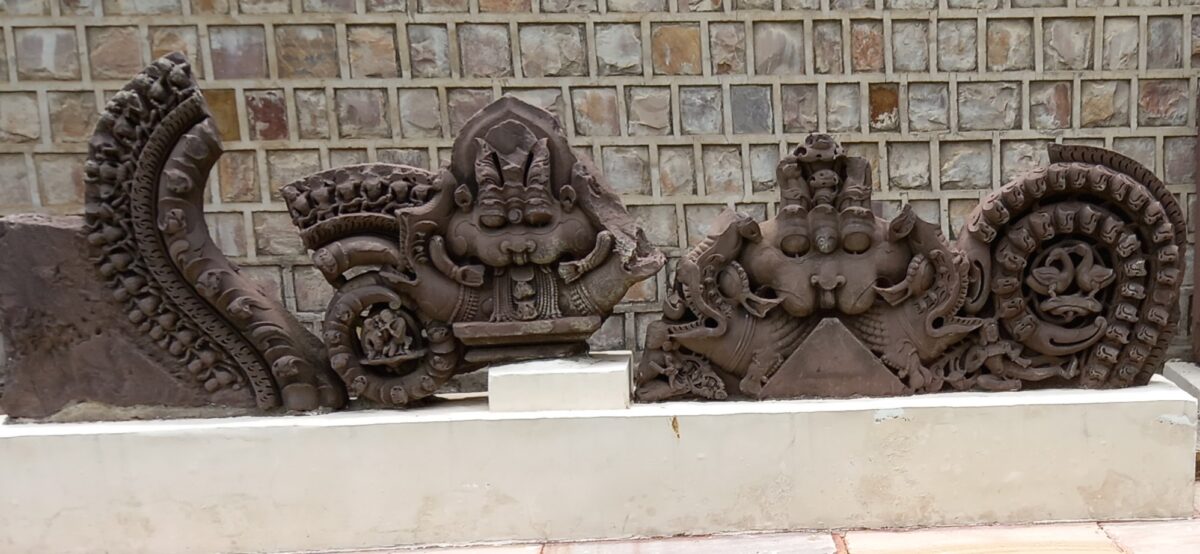
Bija Mandal is a historical site in the Vidisha district of Madhya Pradesh. Bija Mandal is known as the Sun Temple or Vijay Temple. In ancient times, Bija Mandal was a Hindu temple, but over time, the temple was converted into a mosque.
Located in the historic town of Vidisha, Bija Mandal is one of the most interesting yet lesser-known archaeological sites in central India. Although now in ruins, this large building once stood as a magnificent temple complex.
Surrounded by historical landmarks such as Udayagiri Caves and Heliodorus Pillar, Bija Mandal forms an important part of the region’s rich heritage circuit. The site offers a unique glimpse into India’s medieval past for travelers interested in ancient architecture, history, and archaeology.
Location of Bija Mandal Temple
Bija Mandal Temple is a major tourist destination in Vidisha district. It is known as the Vijay Temple. You can easily reach it by road. There are good roads, but the road is narrow. You can reach it by your own vehicle or public transport.
There is very little parking space. The temple is located in a township area and is surrounded by densely populated areas. Bija Mandal Temple is about 2 km from Vidisha Railway Station. It is very close to State Highway 19.
Trip to the Historic Bija Mandal
Bija Mandal is a famous historical site in Vidisha city, but not many people know about it. This place is very beautiful. It once housed a large Hindu temple that was converted into a mosque. It also boasts a large garden with numerous plants and a well-preserved old stepwell.
Nestled in the heart of Vidisha city, Bija Mandal is a historical hidden gem. You can easily reach there by your bike and car and park it outside Bija Mandal Complex. There is a small problem of parking when you go there by car as the parking space is small
Bija Mandal is enclosed by a boundary wall. There is no entry fee, but you will need permission from the office person to enter the complex. Upon entering the Bija Mandal complex, the first thing you see is a museum and a large and beautiful garden with many trees.
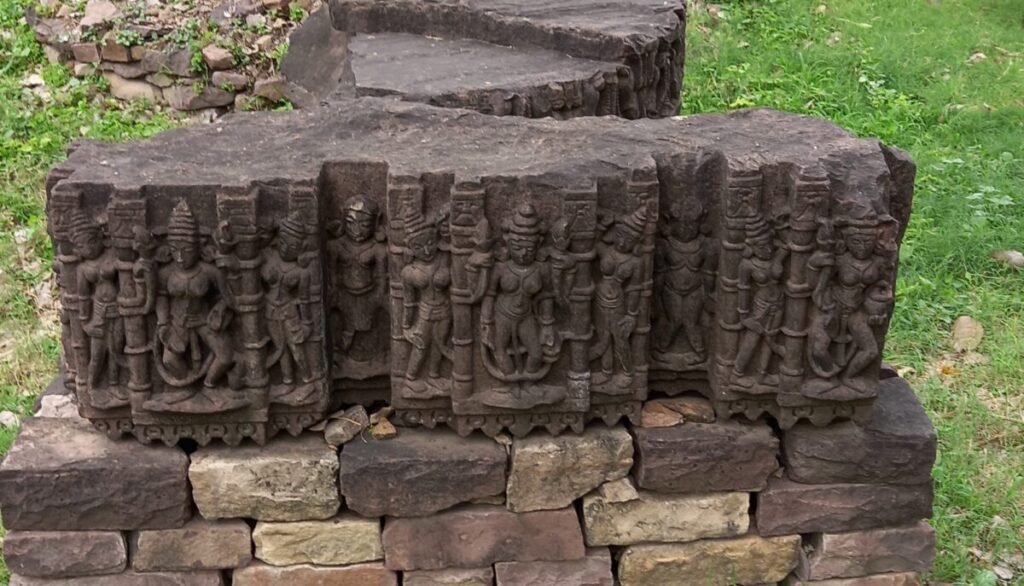
The garden is filled with numerous ancient statues. The lawn is covered in lush green grass, resembling a green carpet. All of this adds a unique charm to the place.
In the center of the garden is an old stepwell. This beautiful stepwell, dating back to the pre-Parmar era, is a marvel of architecture. Stone steps lead down to a circular in the well.
Historically, the stepwell was used by the local community as a vital source of water. It’s a testament to the advanced civil engineering of its time. The beautiful carvings on the well’s walls are remarkable.
Despite its ruins, the stepwell’s stone sculptures offer a glimpse into the past. The most famous artwork in the stepwell are two tall pillars depicting scenes from the life of Krishna. These carved artwork on the pillars and walls reflect the cultural and religious significance of the area.
Moving further into the garden area, you see a large platform, which is very high and made entirely of large stones or boulders. There are stairs leading up to the platform.
Bija Mandal was an 11th-century Hindu temple, and it was destroyed by the Mughals in 1962. After the destruction, Mughal Emperor Aurangzeb built the Alamgiri Mosque on the site.
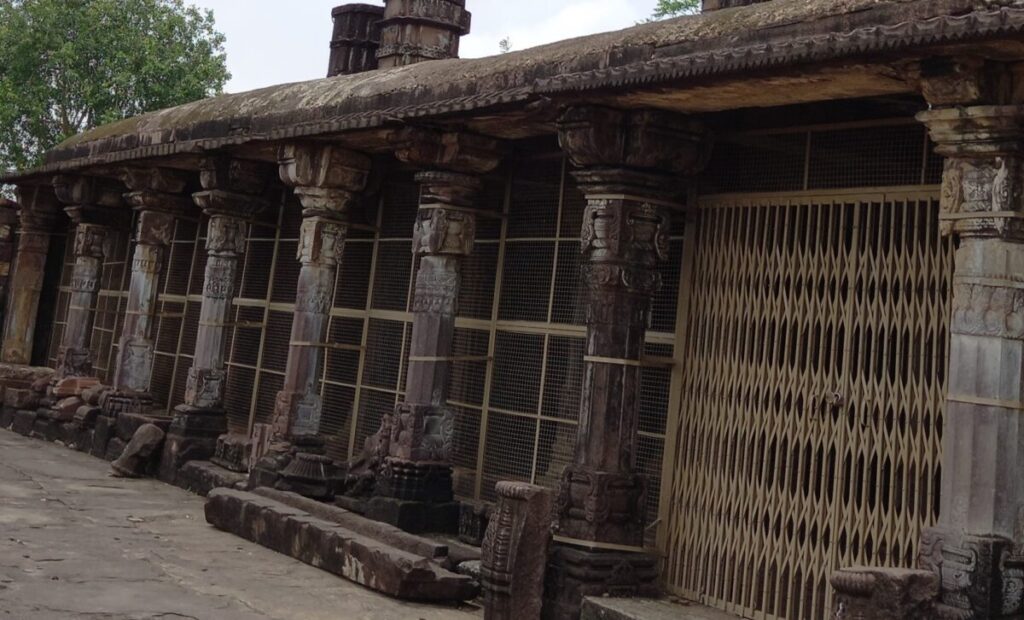
Material from the destroyed temple was used to build this mosque. You can see Hindu artwork on the pillars of the Bija Mandal Temple.
Bija Mandal is a large temple from the late Parmar period, believed to have been built in the second half of the 11th century. The temple has a large base. One of the temple pillars mentions King Naravarman. The structures and sculptures excavated from this site were collected and kept in the museum.
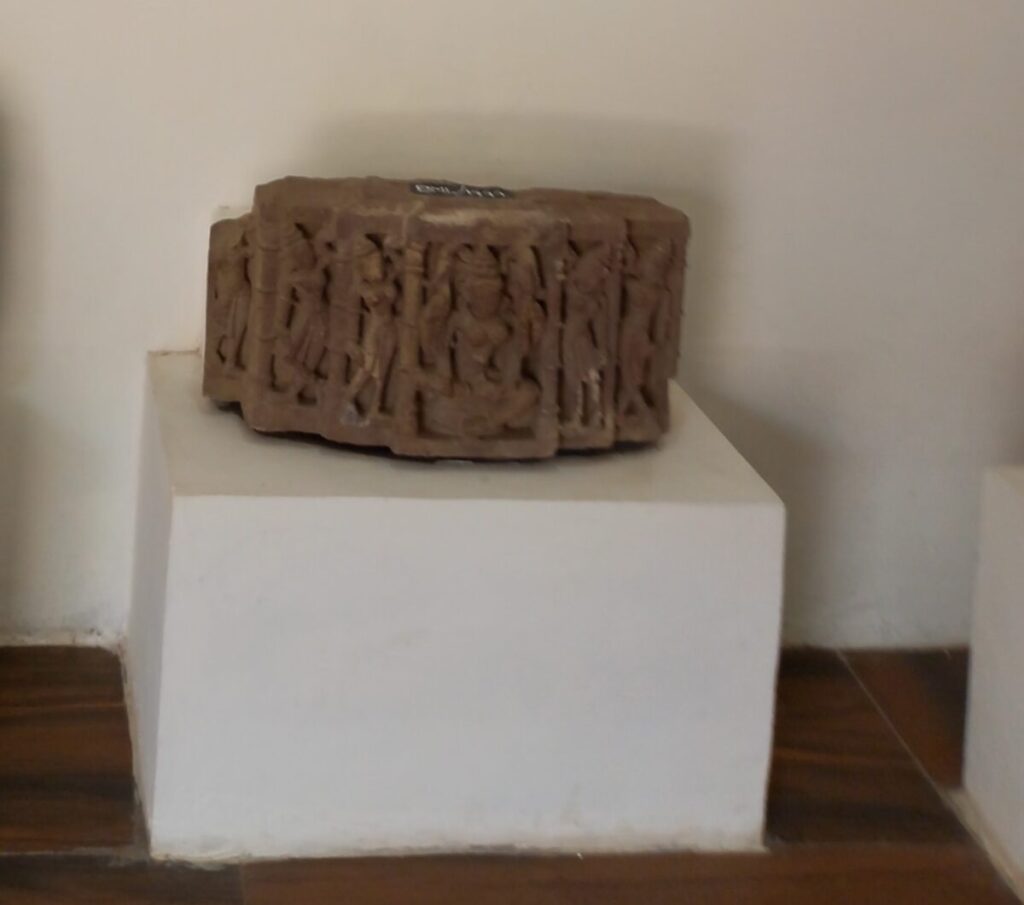
The Beejamandal Temple Complex has a museum where you can see many sculptures that have been collected from the site of this temple and there is a lot of information about this temple.
Read More : Lohangi Mountain Vidisha
Historical Background of Bija Mandal
Bija Mandal is believed to date back to the 11th century CE, when the Parmar dynasty ruled. Evidence suggests that the Vijay Mandir was built by a Parmar ruler in the 11th century, but was demolished by the Mughal emperor Aurangzeb in 1682 AD, and a mosque was built over it, using the pillars and other parts of the earlier temple.
This mosque was called Alamgiri Mosque, and in old time Vidisha was called Alagirpur, but this did not become very popular. According to an inscription on one of the temple’s pillars, the temple is dedicated to Charchika Devi. This inscription mentions the Parmar ruler Narvarman.
Architectural Features
Even in its ruined state, Bija Mandal reflects the grandeur of its original structure.
1. Massive Platform
The most most striking feature about Bija Mandal Temple is that its platform is very large and rectangular, on which the temple once stood. The raised plinth indicates that the structure was designed to be monumental and impressive.
2. Stone Pillars and Fragments
Scattered around the site are beautifully carved stone pillars, decorative fragments, and sculptural remains. These pieces reveal intricate craftsmanship typical of medieval temple architecture in Madhya Pradesh.
3. Blend of Styles
Because parts of the original temple were altered during later Islamic rule, some architectural elements show Indo-Islamic influence. This mixture makes Bija Mandal architecturally unique.
The ruins give visitors a sense of how large and magnificent the temple must have been in its prime.
How to reach Bija Mandal
- By Road : Vidisha is well connected to Bhopal and nearby districts by road. Local transport options such as auto-rickshaws and taxis are easily available.
- By Train : Vidisha Railway Station is well connected to major cities in Madhya Pradesh. You can easily reach Vidisha by train.
- By Air : The nearest airport is Raja Bhoj Airport in Bhopal.
Bija Mandal Google Map location
Best Time to Visit Bija Mandal
The best time to visit Bija Mandal is between October and March, when the weather is pleasant and suitable for tourists. Since the site is mostly open and lacks shade in some areas, visiting during cooler months ensures a comfortable experience.
Early mornings and late afternoons are ideal for photography and exploration.
Experience for Visitors
Visiting Bija Mandal feels like stepping back in time. The open ruins, scattered pillars, and vast platform create an atmosphere of mystery and historical depth.
Unlike crowded tourist attractions, Bija Mandal offers a peaceful and quiet environment where visitors can:
- Explore ancient stone carvings
- Observe architectural details
- Enjoy panoramic views of Vidisha
- Capture stunning photographs
The elevated platform provides a great vantage point for viewing the surrounding area.
Nearby Attractions
- Udayagiri Caves
- Heliodorus Pillar
- Sanchi Stupa
Why Bija Mandal is Special
Bija Mandal is special because it tells a layered story of history. It represents:
- The glory of medieval Hindu temple architecture
- The impact of historical invasions
- The blending of different cultural influences
Its ruins may appear silent, but they speak volumes about the region’s rich past.
For history enthusiasts, the site offers an opportunity to imagine the grandeur of the temple that once stood there.
Read More : Sanchi Stupa – UNESCO World Heritage Buddhist Monument
Travel Tips
- Wear comfortable footwear for walking on uneven surfaces.
- Carry water during summer months.
- Visit during daylight hours for safety and better exploration.
- Combine your visit with other heritage attractions in Vidisha.
- Cameras are allowed.
- It is closed on Fridays so if you are going on Friday then do not go here.
Conclusion
Bija Mandal is a remarkable archaeological site that reflects the medieval glory and historical transformations of Vidisha. Though now in ruins, the massive platform and scattered architectural fragments hint at the grandeur of the temple that once dominated the skyline.
For travelers exploring Vidisha district, Bija Mandal offers a quiet yet powerful connection to India’s rich architectural heritage. If you are passionate about history, archaeology, and ancient monuments, this hidden gem deserves a place on your travel list.