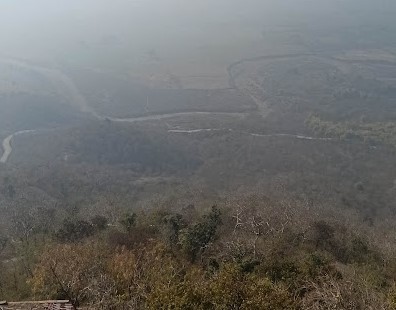
Maihar Devi Temple, also known as Shri Sharda Mata Temple, is one of the most revered Hindu pilgrimage sites in Madhya Pradesh. Located in the Satna district, the temple sits gracefully on the Trikuta Hill at a height of about 600 feet above ground level.
Maihar is a small town in the Satna district. It can be easily reached by train or road. The temple is situated atop a hill, which can be accessed via stairs or a ropeway. The town of Maihar is deeply spiritual and is home to numerous historical and spiritual sites.
Devotees from across India visit this sacred shrine to seek the blessings of Goddess Sharda, an incarnation of Maa Durga and the Goddess of wisdom, knowledge, and power. The temple is not only a religious center but also a place of natural beauty, faith, and spiritual energy.
Location and How to Reach
Maihar is situated in the Satna district of Madhya Pradesh. It is well connected by road and rail. The nearest railway station is Maihar Railway Station, which lies on the busy Katni–Satna route. Regular trains connect Maihar to major cities such as Jabalpur, Bhopal, Prayagraj, and Varanasi.
If you are traveling here by train, you can easily reach Maihar Railway Station in major city. After alighting from the train at the station, you can take an auto-rickshaw from outside to reach the base of the Maihar Temple.
By road, Maihar is accessible from Satna (about 40 km), Katni (around 65 km), and Jabalpur (approximately 160 km). You can use a bus or other public transport to reach the Maihar Temple from major cities.
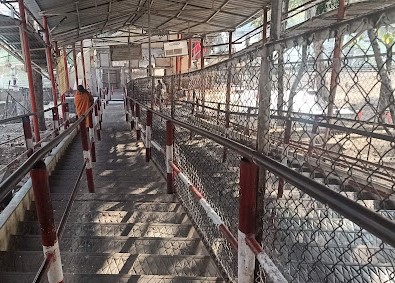
The nearest airport is Khajuraho Airport, located about 130 km away. From the base of Trikuta Hill, devotees can either climb around 1,063 steps to reach the temple or use the ropeway facility for a comfortable journey.
Historical and Mythological Significance
Maihar Devi Temple is believed to be one of the 51 Shakti Peethas. According to Hindu mythology, Once, King Daksha organized a grand Yajna (sacrificial ritual) in his kingdom.
He invited all the gods and goddesses to attend, but he did not send an invitation to Lord Shiva. When Goddess Parvati (Sati) know of this, she proceeded to the site of the Yajna without seeking permission.
There, in the presence of the entire assembly and right before Goddess Sati’s eyes, King Daksha publicly insulted Lord Shiva. Goddess Sati could not bear this insult to Lord Shiva, unable to endure it, she immolated herself in the sacred fire.
When Goddess Sati committed self-immolation, Lord Shiva was plunged into profound grief and lifted lifeless body of sati into his arms. To calm him, Lord Vishnu used his Sudarshan Chakra to cut Sati’s body into pieces, which fell at different places across the Indian subcontinent.
It is believed that the necklace (haar) of Goddess Sati fell at Maihar, and thus the place came to be known as “Mai” (Mother) and “Har” (Necklace).
The temple is dedicated to Goddess Sharda, who represents knowledge and wisdom. Students and devotees especially visit the temple before exams and important life events to seek blessings for success and guidance.
Historically, the temple is said to have been built during ancient times and later renovated by local rulers. Over centuries, it has remained a symbol of unwavering faith and devotion.
Mysterious Incidents at Maihar Temple
The Maihar Temple is also a place shrouded in mystery. No one stays inside this temple at night, as the area becomes extremely desolate and enigmatic after dark. Many people claim that if anyone were to stay here overnight, they would either go mad or suffer a mental breakdown by the very next day.
It is believed that certain events unfold within the temple premises during the night, events so profound that anyone who witnesses them immediately loses their mental equilibrium.
Locals people said that during the night, specifically between 3:00 and 4:00 AM—Alha and Udal visit the temple to offer their prayers to Goddess Sharda. Alha and Udal were great devotees of Goddess Sharda, by virtue of a boon granted to them by the Goddess, they attained immortality, enduring even beyond death.
Every morning, when the priests open the temple doors, they discover that fresh flowers and water have already been offered to Goddess Sharda, even before the doors were opened. This mysterious ritual continues, everyday.
Architecture and Temple Structure
The temple is built on the top of Trikuta Hill, offering breathtaking panoramic views of the surrounding landscape. The structure follows traditional North Indian temple architecture. The sanctum houses the idol of Maa Sharda, beautifully decorated with flowers, ornaments, and vibrant clothes.
The idol is considered very powerful and sacred. Devotees offer coconuts, red chunari (cloth), flowers, and sweets to the goddess. The temple premises also include smaller shrines dedicated to other deities.
Behind the main temple, there are several smaller temples dedicated to other goddesses. You can first offer your prayers to Mother Sharda Devi in the main temple, and subsequently visit the other temples located towards the rear.
The long staircase leading to the temple is an important part of the pilgrimage experience. Many devotees prefer climbing the steps barefoot as a mark of devotion. Along the way, small shops sell prasad, toys, and religious items.
You can also reach this temple by ropeway. The fare for the ropeway is very affordable for devotees and visitors, and the service is excellent. From the ropeway, you can admire the surrounding scenery, and the experience itself is truly magnificent.
Ropeway Facility
For elderly devotees, children, and those unable to climb the steps, a ropeway service is available. The ropeway provides a scenic ride up the hill and has become a popular attraction for visitors. It saves time and effort while offering beautiful aerial views of the town and surrounding greenery.
Festivals and Celebrations
The most important time to visit Maihar Devi Temple is during Navratri. During both Chaitra Navratri (March–April) and Sharadiya Navratri (September–October), lakhs of devotees gather at the temple. Special prayers, bhajans, and cultural programs are organized. The temple is decorated with lights and flowers, creating a divine and festive atmosphere.
Other Hindu festivals such as Diwali, Durga Ashtami, and Makar Sankranti are also celebrated with great enthusiasm.
The Legend of Alha and Udal
One of the most fascinating legends associated with Maihar Devi Temple is that of Alha and Udal, the famous warriors from Bundelkhand folklore. It is believed that Alha was a great devotee of Maa Sharda and performed intense penance here.
According to local belief, he still visits the temple in the early morning hours to offer prayers before the temple doors officially open. Priests and locals claim that fresh flowers are found near the idol before sunrise, strengthening this legend.
This story adds a mystical charm to the temple and attracts devotees who believe in the divine presence of the goddess.
The ‘Alha-Udal Akhara’ is situated just a short distance from the base area of the Maihar Temple. It is a historical and devotional site where you can immerse yourself in the experience of legendary tales.
Natural Beauty and Scenic Views
The temple’s location on Trikuta Hill makes it a scenic destination. The surrounding hills, greenery, and peaceful environment create a calm and spiritual ambiance. During the monsoon season, the area becomes especially beautiful with lush green landscapes and cool weather.
From the hilltop, visitors can enjoy a panoramic view of Maihar town and the distant plains. Many photographers and nature lovers visit not only for religious purposes but also to capture the beauty of the location.
Best Places to visit in Maihar town
Visitors to Maihar often explore nearby attractions in Maihar Town. Some popular places include:
- Gola math temple
- Bara Akhara Mandir
- Alha Udal Akhada
- Baba Talab Shiva Temple
- Badi Mai temple
- Icchhapurti Temple KJS Cement Plant
- Pannikhoh Waterfall
These places can be included in a short spiritual and cultural tour of the region.
Best Time to Visit in Maihar
The best time to visit Maihar Devi Temple is from October to March when the weather is pleasant and good for sightseeing. Summers (April to June) can be very hot, making the climb difficult during daytime. Early morning or evening visits are recommended for a peaceful experience.
Navratri is the most vibrant time, but it is also very crowded. If you prefer a quieter visit, choose non-festival months.
Temple Timings
The temple generally opens early in the morning and remains open till late evening. Special aarti ceremonies are performed in the morning and evening. Timings may vary during festivals and special occasions.
Spiritual Importance
Maihar Devi Temple is not just a tourist destination; it is a powerful center of faith. Devotees believe that Maa Sharda fulfills wishes and removes obstacles from life. Students, professionals, and families come here seeking blessings for knowledge, success, marriage, and prosperity.
The peaceful atmosphere, combined with the chanting of devotional songs and ringing temple bells, creates a deeply spiritual experience. Many visitors describe feeling positive energy and inner peace after visiting the temple.
Conclusion
Maihar Devi Temple stands as a symbol of devotion, tradition, and spiritual strength in Madhya Pradesh. Perched on Trikuta Hill, the temple offers not only religious significance but also scenic beauty and cultural heritage. Whether you are a devotee seeking blessings, a traveler exploring historical sites, or a nature lover enjoying hilltop views, Maihar Devi Temple provides a fulfilling experience.
The faith of millions of devotees, the fascinating legends of Alha, the grandeur of Navratri celebrations, and the serene hilltop setting make this temple one of the most important pilgrimage destinations in central India. A visit to Maihar Devi Temple is truly a journey of faith, devotion, and divine connection.