Sanchi Stupa is a renowned Buddhist site in India. It is one of India’s most important and well-maintained Buddhist monuments.
Famous for its magnificent architecture, intricate carvings, serene atmosphere, and deep historical roots, this UNESCO World Heritage Site attracts thousands of visitors each year.
Sanchi Stupa is a stunning example of ancient Indian architecture and a must-visit for anyone interested in history and spirituality. If you’re planning a trip to Madhya Pradesh, visiting Sanchi Stupa should definitely be on your list.
In this detailed guide, you’ll learn about Sanchi Stupa’s history, location, opening hours, entry fees, light show times, and architectural details, as well as answers to common travel questions.
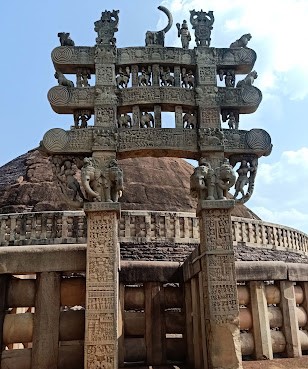
Sanchi Stupa is Located in
The Sanchi Stupa is located in the town of Sanchi in the Raisen district. Sanchi is a small town located on the Vidisha-Bhopal highway. It is approximately 35 km northeast of Bhopal and 25 km from Vidisha.
Sanchi Stupa is built on a hilltop and you can reach there by a good road. You can reach Sanchi Town by road or train.
If you have come here by train, you will find public transport, auto and other means of transport outside the station and you can easily reach Sanchi Stupa, which is about 5 km from the railway station.
Read more : Dewas Tekri
Inside Sanchi Stupa Complex
Sanchi Stupa is one of the most important archaeological and spiritual heritage sites of India. Visitors can came here and explore Buddhist art and architecture.
The Sanchi Stupa encompasses a vast area and includes stupas, pillars, monasteries, temples, museums, Gupta Period temples, stepwells, and many other sites. This site is ideal for architecture lovers, history buffs, pilgrims, photographers, and many others seeking peace.
The Stupa of Sanchi is spread over a large area. It is located on a hill, and Stupa of Sanchi and its remains are spread throughout the hill.
Access to the Stupa of Sanchi is via beautiful roads through the hills, where you can reach with your car and park own car in the parking lot.
Entry fee is required to enter the Sanchi Stupa Complex. Bags are not allowed in. There is a secure place inside to store them.
As you enter the Sanchi Stupa complex, you can see beautiful garden filled with trees and grasslands, as well as Stupa No. 3 and No. 1 and the remains of other temples and stepwells.
Stupa No. 3 is the first monument visible upon entering the complex. Stupa No. 3 is one of the most significant monuments in the Sanchi Buddhist complex, particularly famous for housing the relics of two of Buddha’s chief disciples, Sariputta and Mahamoggallana.
Although smaller in size than Stupa No. 1, it holds great historical and spiritual significance. The dome of the stupa is circular. This stupa was built in the 2nd century BCE during the Shunga period.
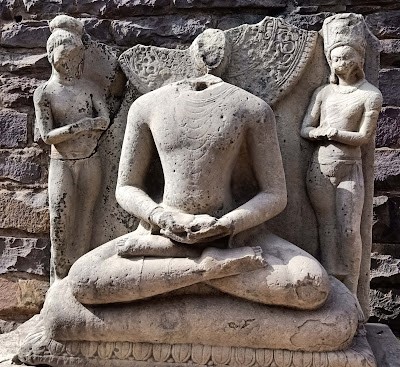
Its most stunning feature is its single eastern gateway, which features intricate carvings depicting Jataka tales, auspicious symbols, and scenes from the life of the Buddha.
After seeing the details carving and features of Stupa No. 3, you move ahead and see Stupa No. 1
Stupa No. 1, known as the Great Stupa. Great Stupa is one of the most iconic and well-preserved stupas in this Buddhist complex. Its large dome, carved doorways (toranas), and intricate stonework tell stories from the life of the Buddha.
It is an example of the earliest Buddhist architecture in the world. Built by the Mauryan emperor Ashoka in the 3rd century BC. The place is well maintained, clean and surrounded by greenery, which further enhances its beauty.
It was built to preserve the sacred relics of the Buddha. The dome of the stupa is circular, symbolizing the Buddha’s Mahaparinirvana.
The main attraction of this stupa is its four beautiful entrance gates on all four sides, which depict the life of Buddha, Jataka tales and symbolic carvings. There is a stone railing around the stupa, where devotees used to circumambulate.
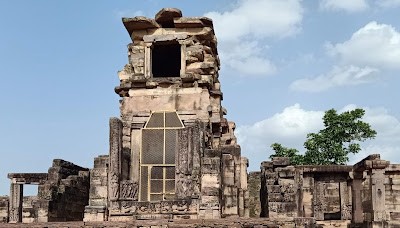
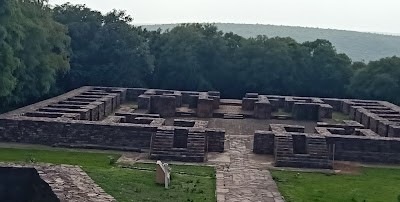
There are many beautiful and ancient sights to see within the Sanchi Stupa complex. You can see the remains of old temples and monasteries, the Naga monolithic statue, an old stone stepwell, the Divine Store Bowl, beautiful forest views, and many animals.
There is a small canteen in one corner of the Buddha complex where you can get coffee, snacks, and tea.
The Stupa of Sanchi is primarily known for three stupas, and the 2nd stupa is located a little further away from the group of Buddhist monuments at Sanchi. You have to walk a few meters to reach this stupa. It is located in a densely forested area.
Stupa No. 2 is resemble in shape and size to Stupa 3, but without any Gateway. It has a railing on the ground, with four cardinal entrances, and a double staircase leading to the top of the stupa.
There is a beautiful pond near the stupa. The atmosphere around the stupa is very peaceful, and you can relax here.
Read more : Lohangi Mountain, Vidisha
Sanchi Stupa History
The Stupa of Sanchi history dates back to the 3rd century BCE. The original stupa was commissioned by Ashoka the Great, the powerful ruler of the Mauryan dynasty.
Who Built Sanchi Stupa?
- The original structure was built by Emperor Ashoka in the 3rd century BCE.
- It was later enlarged and decorated during the Shunga and Satavahana periods.
Emperor Ashoka embraced Buddhism after the Kalinga War and built several stupas across India to spread Buddhist teachings. Sanchi became one of the most important centers of Buddhism.
Interestingly, Sanchi was not directly associated with any major event in Buddha’s life, but it flourished as a major Buddhist learning center.
Architectural Beauty of Sanchi Stupa
The Great Stupa at Sanchi is a hemispherical structure built of stone. It stands approximately 16 meters high and 36 meters in diameter.
Key Architectural Features:
- Dome (Anda) – Symbolizes the cosmic universe.
- Harmika – A square railing at the top.
- Chatra – Triple umbrella representing the Three Jewels of Buddhism.
- Toranas (Gateways) – Four beautifully carved gateways facing four directions.
The carvings on the toranas depict scenes from Buddha’s life, Jataka tales, and symbols like the lotus, wheel, and Bodhi tree.
Sanchi Stupa Timings
If you are planning your visit, knowing the correct Stupa of Sanchi timings is essential. The best time to visit Stupa is in the morning as it is not crowded in the morning.
Sanchi Stupa Timings:
- Opening Time: 8:30 AM
- Closing Time: 5:30 PM
- Open: All days of the week
It is advisable to visit in the morning or late afternoon to avoid heat, especially in summer.
Sanchi Stupa Timings and Entry Fee
Here are the details regarding Stupa of Sanchi timings and entry fee:
Entry Fee:
- Indian Citizens: ₹40 per person
- Foreign Tourists: ₹600 per person
- Children below 15 years: Free
Tickets can be purchased at the office of entrance.
Sanchi Stupa Light Show Timings
One of the major attractions here is the Stupa Light and Sound Show, which narrates the history of Sanchi and Emperor Ashoka.
Sanchi Stupa Light Show Timings:
- Evening show (usually after sunset)
- Hindi and English shows are conducted separately
- Timings may vary seasonally
It is recommended to confirm the exact time locally before planning your visit.
The light show beautifully presents the journey of Buddhism and the transformation of Ashoka from a warrior king to a follower of peace.
Best Time to Visit Sanchi Stupa
The best time to visit is between October and March when the weather is pleasant and good for roam. October and March is the winter season.
Winter is a good time to visit Stupa. You can easily visit the entire stupa in winter season. You can easily do trekking in this season.
The rainy season is also good for visiting Stupa as there is greenery everywhere. Summers can be very hot in Madhya Pradesh.
Winter mornings are especially beautiful, with cool breeze and peaceful surroundings.
How to Reach Sanchi Stupa
- By Air: The nearest airport is Raja Bhoj Airport in Bhopal (about 46 km).
- By Train: The nearest railway station is Sanchi Railway Station.
- By Road: Sanchi is well connected by road from Bhopal and Vidisha. Regular buses and taxis are available.
Sanchi Stupa google map location
Nearby Attractions
While visiting Stupa of Sanchi, you can also explore:
- Udayagiri Caves
- Vidisha
- Bhojpur Temple
- Bhimbetka Rock Shelters
All these places are historically and culturally significant.
Why Stupa of Sanchi is Important
Stupa of Sanchi is not just a monument; it is a symbol of peace, spirituality, and India’s rich cultural heritage. It reflects:
- The spread of Buddhism in India
- Mauryan architecture
- Ancient Indian art and sculpture
In 1989, Sanchi Stupa was declared a UNESCO World Heritage Site, recognizing its global importance.
Conclusion
Sanchi Stupa is one of the finest examples of ancient Buddhist architecture in India. Built by Emperor Ashoka, this monument stands as a timeless symbol of peace and spiritual enlightenment.
Whether you are interested in history, architecture, or spirituality, Sanchi Stupa offers a deeply enriching experience. From exploring the carvings and walking around the sacred dome to enjoying the light and sound show, every moment here connects you to India’s glorious past.
If you are planning a trip to Madhya Pradesh, make sure Sanchi Stupa is at the top of your travel list.