The Mahakaleshwar Jyotirlinga Temple in Ujjain is one of the most sacred and powerful temples dedicated to Lord Shiva in Madhya Pradesh, India. It is a must-visit spiritual place in India.
It is counted among the twelve sacred Jyotirlingas of India and holds immense spiritual, historical, and cultural significance. Bhasma Aarti is a famous ritual of Mahakaleshwar Temple.
The temple is not only a major pilgrimage destination but also a symbol of faith, devotion, and divine energy.
Situated on the banks of the holy Shipra River, Mahakaleshwar Temple attracts millions of devotees every year who come to seek blessings, participate in rituals, and experience the divine presence of Lord Mahakal.
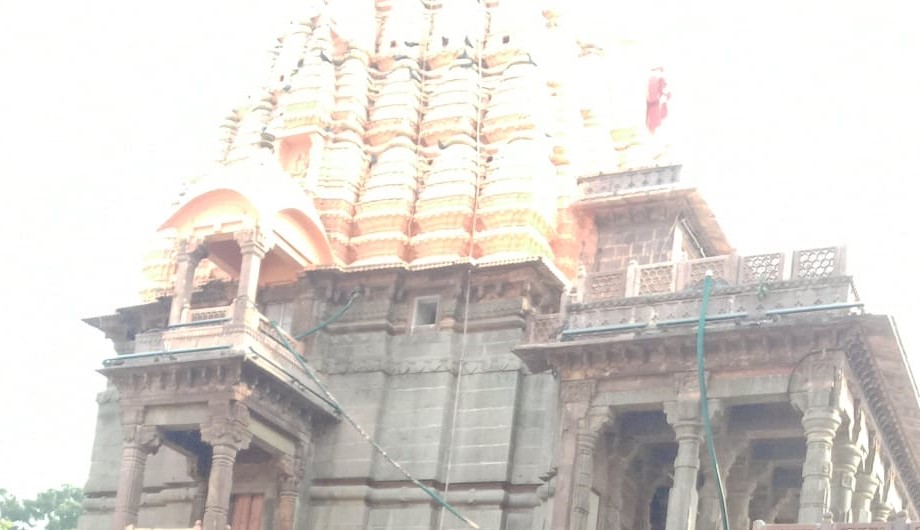
Religious Significance of Mahakaleshwar Temple
Mahakaleshwar is one of the twelve Jyotirlingas, which are considered the most sacred form of Lord Shiva. The word “Mahakal” means “Lord of Time” or “Supreme Lord of Death.”
Devotees believe that Lord Mahakal protects his devotees from evil forces and grants freedom from the fear of death. One gets rid of the fear of death after visiting Mahakal Jyotirlinga Shivling.
Unlike other Jyotirlingas, the idol of Mahakaleshwar is a Swayambhu (self-manifested) lingam. This means that it has emerged from the earth own self and no one has Established here. It is believed to derive power from within itself rather than being ritually established.
Another unique feature about the temple is that the Shivalinga faces south, making it a Dakshinamukhi Shivalinga and worshipping a Dakshinamukhi Shivalinga is special.
Read more : Sanchi Stupa – UNESCO World Heritage Buddhist Monument
Jyotirlinga Mahakaleshwar Temple Ujjain History
The history of Mahakaleshwar Temple dates back to ancient times. References to the temple are found in various Hindu scriptures, including the Puranas. Ujjain was once known as Avantika and was an important religious and cultural center in ancient India.
According to the religious story about Mahakal Temple, a demon named Dushana terrorized the people of Ujjain. The devotees of Lord Shiva perform severe penance to save themselves from the demon Dushan and pleased with their devotion, Shiva appears in the form of Mahakal and destroys the demon. At the request of devotees, he agreed to stay in Ujjain as Mahakaleshwar.
Historically, the temple has undergone several renovations. It was destroyed during invasions in medieval times and later rebuilt by the Maratha ruler Ranoji Shinde in the 18th century. Since then, the temple has been maintained and expanded to accommodate the growing number of devotees.
Architecture of Mahakaleshwar Temple
The grandeur and spiritual energy of the Mahakaleshwar Temple are beautiful and inspiring. The intricate carvings on the walls and pillars showcase the fine craftsmanship of ancient India.
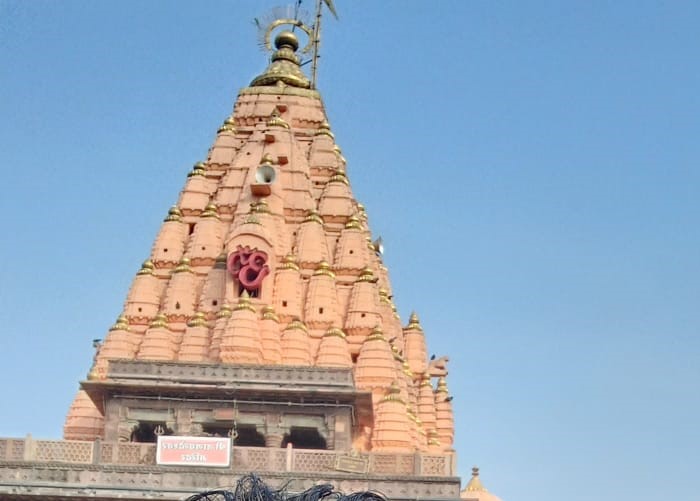
Mahakaleshwar Temple showcases a blend of Maratha, Bhumija, and Chalukya architectural styles. The temple complex is multi-storied and grand in structure.
The temple has five levels, one of which is underground, where the main Jyotirlinga is installed. There are stairs leading to the underground hall.
The underground hall is a large square room with cement chairs, and devotees line up to have darshan of Lord Shiva. Some devotees sit in the hall for long periods, immersed in the devotional atmosphere.
The Shivalinga is installed in the sanctum sanctorum and looks very beautiful. There is a mandapam in front of the sanctum sanctorum and Lord Nandi is seated in the mandapam.
The lower sanctum gives a mystical and powerful atmosphere that deeply touches the hearts of devotees.
The upper levels house other deities, including Omkareshwar Mahadev and Nagchandreshwar. The Nagchandreshwar temple opens only once a year on Nag Panchami, attracting huge crowds.
Key architectural features include:
- A towering shikhara (spire)
- Intricately carved pillars
- Spacious courtyards
- Large assembly halls for devotees
- Beautiful sculptures and decorations
Bhasma Aarti – The Unique Ritual
One of the most famous rituals of Mahakaleshwar Temple is the Bhasma Aarti, performed early in the morning before sunrise. In this ritual, the lingam is worshipped with sacred ash (bhasma). Traditionally, the ash used was from funeral pyres, symbolizing the cycle of life and death.
If you want to attend the Bhasma Aarti, you can book tickets online a month or two in advance as there is a long queue of devotees waiting to attend the Bhasma Aarti, so you can book tickets and attend the Bhasma Aarti.
The Bhasma Aarti experience is truly divine, a once-in-a-lifetime experience that fills you with devotion, peace, and a strange sense of calm. The priests perform the rituals with great discipline and purity.
The Bhasma Aarti takes place at 4:00 a.m. Devotees arrive at 2 a.m. and gather in the underground hall. Mostly men are inside the sanctum sanctorum and perform the aarti, while women are outside the sanctum sanctorum.
The Bhasma Aarti is a rare and powerful spiritual experience. Devotees must book in advance to attend this ritual, as only a limited number of people are allowed inside the sanctum during the ceremony.
The chanting of mantras, beating of drums, and the divine atmosphere during Bhasma Aarti create an unforgettable spiritual experience.
Read more : Dewas Tekri
Mahakal Lok Corridor
If you are visiting the Mahakal Temple, you must visit the newly built Mahakal Corridor along with the Mahakal Temple, which further enhances the beauty and grandeur of the temple complex.
Mahakal Lok, Ujjain is a beautiful and well-maintained place. The place is very clean. it has wide pathways, artistic sculptures, murals depicting Shiva’s legends, and stunning lighting, which is give calm and divine walking experience.
The entire area is beautifully developed, and all the nearby temples are well-maintained. This place is dedicated to Lord Shiva. Here you can see a large statue of Lord Shiva and many stories of Shiva from the Shiva Purana and the different forms of Mahadev.
The food section here is excellent, and the food is delicious. It’s a wonderful experience to visit. It looks beautiful when illuminated in the evening.
Dress Code for Mahakaleshwar Temple Ujjain
This is the dress code for visiting the Mahakaleshwar Temple in Ujjain – Traditional clothing is recommended within the Mahakaleshwar Temple complex.
You can wear modest and respectful clothing that covers your shoulders and knees. Clothing such as short sleeveless tops, shirt dresses, and torn jeans is not recommended here, although there are no restrictions on uniforms for daily darshan. Security may refuse entry if clothing appears inappropriate.
For men, it is best to wear traditional Indian clothing such as dhoti kurta, pajama kurta, and full-length pants with a shirt. Avoid shorts, vests, sleeveless tops, or overly casual Western clothing.
For women, it is recommended to wear traditional Indian clothing such as a sari, salwar-kameez, and dupatta, or other modest traditional clothing. Ensure that your shoulders and knees are covered. Avoid wearing sleeveless or revealing clothing.
A very strict traditional dress code applies to both men and women during Bhasma Aarti. For Bhasma Aarti or to enter the sanctum sanctorum, Men typically wear unstitched dhoti and women traditionally wear a sari or salwar-kameez.
You must remove your shoes and slippers before entering the temple. The temple committee has provided a small box outside the temple premises for storing your belongings.
If you are wearing clothing that exposes your shoulders, bring a scarf/dupatta. Traditional clothing shows respect for local customs and helps avoid any hassles upon entry.
Mahakaleshwar Temple Ujjain Timings
Mahakaleshwar Temple opens at 4:00 am and devotees come to the temple premises at 2:00 am as there are a lot of people coming here and the place is crowded so people come here first and take place in the sanctum sanctorum area.
The Bhasma Aarti starts here at 4:00 pm and it takes about 1 or 2 hours and then the Aarti starts here daily and you can see the entire process, so people come here at 6:00 am and see the Aarti and the beautiful Shivalinga. The temple closes at around 9:00 pm in the night.
How to Reach Mahakaleshwar Temple
Ujjain is well connected by road and rail.
- Nearest Airport: Devi Ahilya Bai Holkar Airport, Indore (about 55 km away)
- Railway Station: Ujjain Junction
- Road Connectivity: Regular buses and taxis from Indore, Bhopal, and other cities
Local transport like auto-rickshaws and taxis are easily available within Ujjain.
Mahakaleshwar temple Google map location
Nearby Attractions in Ujjain
Visitors to Mahakaleshwar Temple can also explore:
- Kal Bhairav Temple
- Harsiddhi Temple
- Ram Ghat
- Sandipani Ashram
- Mangalnath Temple
These places add spiritual depth and cultural experience to the visit.
Travel Tips for Devotees
- Dress modestly while visiting the temple.
- Follow temple rules and maintain discipline.
- Book Bhasma Aarti passes in advance.
- Avoid carrying prohibited items inside the temple.
- Stay hydrated during summer visits.
Conclusion
Mahakaleshwar Temple in Ujjain is more than just a place of worship; it is a center of immense spiritual energy and devotion. As one of the twelve Jyotirlingas, it holds a special place in Hindu belief and tradition. The unique south-facing Swayambhu lingam, the powerful Bhasma Aarti, and the sacred atmosphere make it one of the most important pilgrimage sites in India.
A visit to Mahakaleshwar Temple offers not only religious fulfillment but also a deep connection with history, culture, and spirituality. Whether you are a devotee seeking blessings or a traveler exploring India’s rich heritage, Mahakaleshwar Temple provides a divine and unforgettable experience.