The Pride of the Mandla Region – Mandla Fort
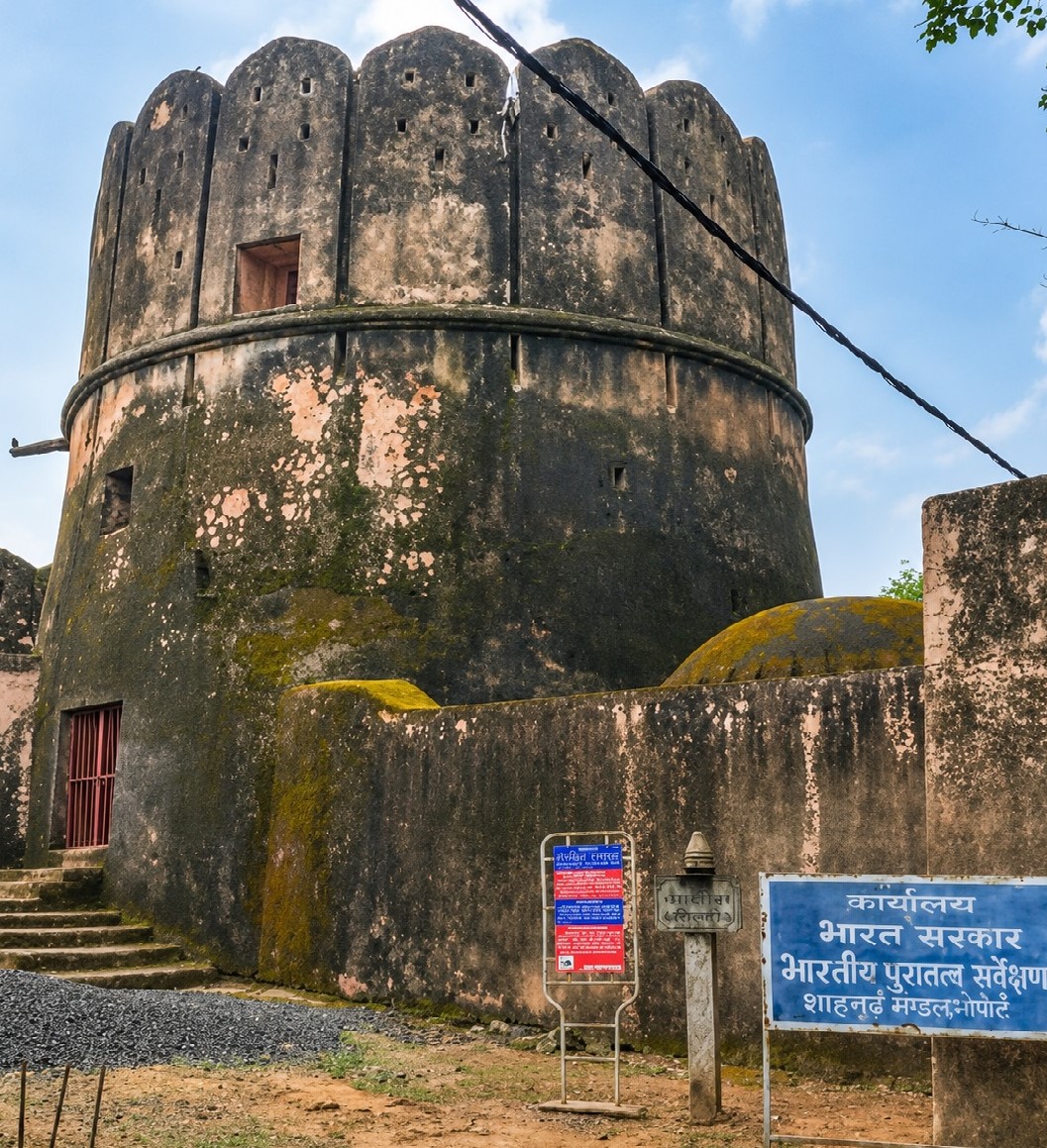
Mandla Fort is one of the most important historical landmarks in the Mandla district of Madhya Pradesh. In the main town of Mandla district, situated near the Narmada River, stands a beautiful fort. Although most of its structures have now turned into ruins, there is one historical building here that remains in good condition. It is known as the ‘Narendra Shah Burj’.
If you are interested in exploring historical monuments in Mandla, you should certainly visit this site and take a tour of the fort.
Today, Mandla Fort is an important tourist attraction where visitors can explore history, architecture, and beautiful river views.
Location of Mandla Fort
Mandla Fort is a historical site situated near the banks of the Narmada River within the city of Mandla. It is located right in the heart of the city and is easily accessible by road. The fort is situated at a spot where the Narmada River takes an ‘C’ shape—a truly breathtaking sight.
From here, you can admire the beautiful panorama of the Narmada River as it flows in this distinctive ‘C’ formation. A well-maintained road built to reach the site, allowing you to reach it using either your private vehicle or public transportation. There is no entry fee to visit the fort.
Once inside, you can observe numerous historical structures. The site features a spacious ground where you can park your vehicle. Additionally, there are several residential house, temples and historical buildings within the complex that you can tour and explore.
Travel to Mandla Fort
Mandla Fort is a historical site situated in the Mandla district. Located right within the main city, it is easily accessible by road via your own vehicle. The fort is remarkably beautiful and sprawls across a vast area. It houses numerous historical structures and temples that you can explore to admire the site’s grandeur.
Upon arrival, you can park your vehicle on the grounds right inside the fort complex. The first structure you will encounter here is a historical building that, while beautiful in appearance, is currently in a significantly dilapidated state, it is a type of ‘Burj’ (tower).
You can ascend to its rooftop using the stairs, though you must exercise extreme caution, as the climb can be somewhat risky. However, the view from the top is absolutely breathtaking. From this vantage point, you can enjoy a magnificent panorama of the Narmada River and the entire surrounding landscape.
There are several residential houses within the fort complex, so you can easily explore the fort area on foot. Near this tower stands a temple dedicated to ‘Rajrajeshwari Mata.’ It is a beautiful temple, and within its sanctum sanctorum, you can seek darshan (blessings) of a captivating idol of Rajrajeshwari Mata.
A Shiva temple is also located here, where you can darshan of Lord Shiva and seek his blessings. From here, a narrow path leads toward the ‘Narendra Shah Burj’. A tower situated right on the banks of the Narmada River. There are many small fields along the banks of the Narmada River, where local residents cultivate vegetables and seasonal crops.
The Narendra Shah Burj is a beautiful structure and is considered to be the best-preserved historical building within the Mandla Fort complex. You can climb atop this structure to revel in the stunning views of the Narmada River.
Stairs have been constructed here to facilitate access to the rooftop. The structure of this building is cylindrical, giving it a visually striking appearance. The windows built into the walls of this building are called ‘Jharokhas’. Historically, these windows served the purpose of facilitating the circulation of fresh air and natural light.
In ancient times, this fort served as the residence for soldiers and royal attendants. The fort was constructed upon a distinctive topographical feature within the Mandla district, which remains connected to the main city.
There are numerous other places in the fort complex, where you can explore and spend your time pleasantly. You are welcome to visit all the places in Mandla fort complexs in person. A boat ride on the Narmada River offers a truly unique experience during a visit to Mandla city. The boat ride you can do in near mandla fort.
All in all, this is an excellent destination within Mandla. You can tour the entire fort, observe this site up close, and immerse yourself in the glorious heritage of Gondwana.
History of Mandla Fort
Mandla Fort was built during the rule of the Gond dynasty, which ruled large parts of central India, including Mandla, Jabalpur, and surrounding regions. The Gond rulers were powerful tribal kings who built many forts, temples, and palaces across Madhya Pradesh.
Due to attacks on the Maratha Mandla Kingdom, King Hriday Shah’s grandson, King Narendra Shah, relocated his capital to Mandla and ordered the construction of a fort on the banks of the Narmada River. Subsequently, the Gond rulers governed from this fort a long time. However, in 1880, the fort came under the control of the British rulers.
The fort was built as a defensive structure as well as a royal residence. Because Mandla town is surrounded by the Narmada River on three sides, it was a naturally protected area. The rulers used this location to build a strong fort to protect their kingdom from enemies.
Later, the region came under the control of the Marathas and then the British, and the fort continued to be used for administrative purposes. Over time, some parts of the fort were damaged, but many structures still remain today.
One of the most secure structures is the ‘Shah Burj’ of the Mandla Fort, which was situated on the banks of the Narmada River. It is an extremely beautiful structure. You can visit the site to see it.
Best Time to Visit Mandla Fort
The best time to visit Mandla Fort is during the winter season when the weather is pleasant and good to roaming.
In the monsoon season, the Narmada River becomes full and the surrounding area becomes very green and beautiful. Summer afternoons can be very hot, so morning and evening are better times to visit.
Things to Do at Mandla Fort
When visiting Mandla Fort, tourists can do many things:
- Explore the historic fort
- Walk along the fort walls
- Visit temples inside the fort area
- Enjoy Narmada River view
- Photography
- Learn about Gond history
- Visit nearby ghats
- Watch sunset near the river
- Explore Mandla town
The fort area is peaceful and good for walking and exploring history.
How to Reach Mandla Fort
Mandla Fort is located inside Mandla town, so it is easy to reach.
By Road: Mandla is well connected by road to Jabalpur, Dindori, Balaghat, and other nearby cities. You can reach the fort by auto, bike, or car from Mandla bus stand.
Nearest Railway Station:
- Jabalpur Railway Station (about 100 km)
Nearest Airport:
- Jabalpur Airport
From Jabalpur, you can reach Mandla by bus or taxi.
Mandla Fort Google Map Location
Nearby Places to Visit
If you visit Mandla Fort, you can also visit other nearby tourist places:
- Rapta Ghat Mandla
- Ramnagar Fort Mandla
- Sahastradhara Mandla
- Narmada River Ghats
- Kanha National Park
- Ramnagar Village
These places can be covered in a Mandla trip.
Why You Should Visit Mandla Fort
You should visit Mandla Fort because:
- It is an important historical fort
- Located on the banks of the Narmada River
- Represents Gond dynasty history
- Good place for photography
- Peaceful and less crowded
- Easy to reach
- Good place for history lovers
- One of the main attractions of Mandla
Conclusion
Mandla Fort Mandla is a historic fort that represents the rich history and cultural heritage of the Gond rulers and the Mandla region. Located on the banks of the Narmada River and surrounded by natural beauty, the fort is an important tourist attraction in Mandla district.
Even though some parts of the fort are old and damaged, it still holds great historical importance and attracts visitors who are interested in history, architecture, and heritage places. If you are planning a trip to Mandla, visiting Mandla Fort should definitely be on your travel list. It is one of the most important historical places in Mandla and a symbol of the region’s glorious past.